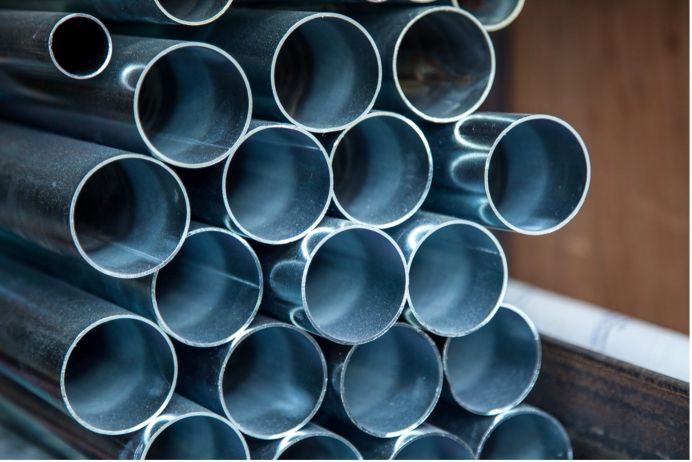
Close-up of stacked steel pipes for industrial construction and fabrication

The Enduring Value of Stainless Steel Tubes in Modern Engineering

In demanding industrial environments, few materials offer the same level of reliability and versatility as stainless steel tubes. From transporting pressurised gases to supporting complex process systems, these components play a critical role in ensuring performance, safety and longevity across countless applications.

At their core, the stainless steel tubes we manufacture at Aston Fittings, are designed to deliver strength under pressure while resisting corrosion, temperature extremes and chemical exposure. These qualities make them an essential component in industries ranging from petrochemical and pharmaceutical production to food processing and renewable energy. 

In any system where failure is not an option, material choice becomes crucial; and this is where stainless steel tubes consistently prove their worth.

Why Stainless Steel Tube Remains the Industry Standard

One of the defining advantages of our stainless steel tubes is their corrosion resistance. Unlike other materials, stainless steel maintains its structural integrity even when exposed to moisture, chemicals or harsh environmental conditions. This durability reduces maintenance requirements and extends the lifespan of entire systems.

Equally as important is stainless steel’s ability to withstand high pressures and temperatures. In process engineering, tubes are often responsible for transporting substances such as steam, compressed air or industrial gases. These environments demand materials that can perform safely under stress, and stainless steel delivers that reliability without compromise.

Applications Across Critical Industries

The adaptability of stainless steel tubes makes them indispensable across a wide range of sectors. In oil and gas, these tubes support high-pressure transport systems that must operate safely in extreme conditions. In pharmaceutical and food industries, the tubes’ hygienic properties ensure contamination-free processing. Meanwhile, in renewable energy, they contribute to systems designed for sustainability and long-term efficiency.

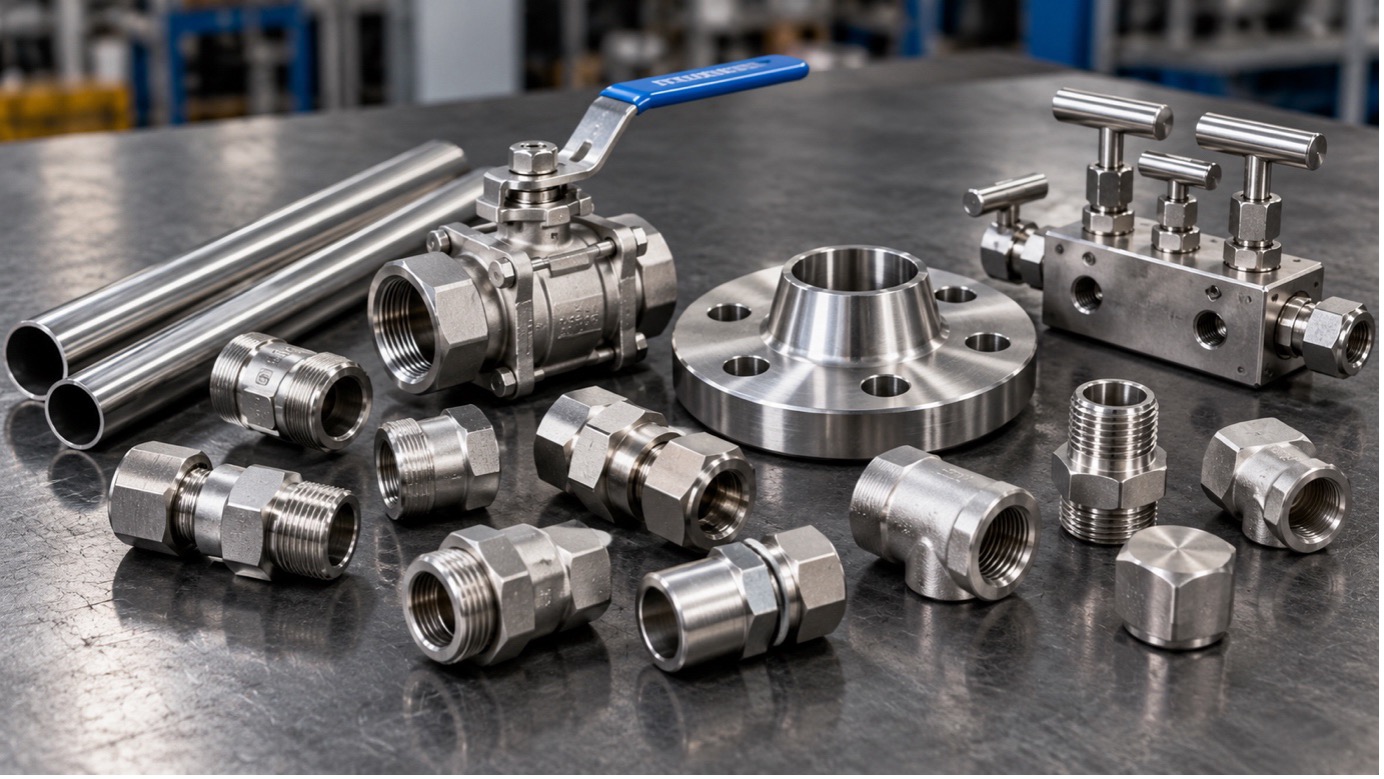
Modern engineering systems rarely rely on a single component. Instead, they are built from interconnected networks of pipes, tubes, fittings and valves, all working together to regulate and transport fluids. The stainless steel  fittings we manufacture, allow systems to branch, change direction or adapt to varying pressures, enabling more complex and efficient designs.

Because of this, stainless steel tubes are not just a standalone product: they are part of a broader engineered solution. Their compatibility with a wide range of fittings and connectors ensures seamless integration into both simple and highly sophisticated systems.

The Importance of Quality and Consistency

In any industrial setting, consistency is everything. Even the strongest material can fail if it is not manufactured to the correct specifications. That is why, at Aston Fittings, we focus on producing and supplying stainless steel tubes that meet strict quality standards, ensuring reliability from the installation through to the long-term operation.

We manufacture and stock stainless steel tubes alongside a comprehensive range of complementary components, allowing us to support complete system builds rather than isolated purchases. Whether a project requires standard sizes or bespoke configurations, maintaining quality across every element is essential.

Bespoke Solutions for Complex Requirements

No two engineering projects are exactly the same. While standard stainless steel tube sizes meet many requirements, more complex systems often demand tailored solutions. This is where custom fabrication becomes invaluable.

We regularly work with clients to produce non-standard tubing and assemblies designed to fit specific applications. Whether it is a unique diameter, specialised material grade, or a fully assembled pipework package, bespoke manufacturing allows systems to operate with greater efficiency and precision.

Our fabrication capabilities extend beyond simple cutting and shaping. We create complete assemblies, including pipe spools, manifolds and custom connections, ensuring that each component integrates seamlessly into the wider system. This approach reduces installation time, minimises errors and improves overall performance.

Supporting Efficiency from Supply to Installation

Reliable supply is just as important as product quality. Delays in sourcing materials can disrupt entire projects, leading to increased costs and missed deadlines. That is why we prioritise efficient stock management and fast delivery, ensuring that your stainless steel tubes and associated components are available when they’re needed.

Looking Ahead: The Future of Stainless Steel Tube

As industries continue to evolve, the demand for high-performance materials will only increase. Sustainability, efficiency and safety are becoming ever more important and stainless steel tubes are well positioned to meet these challenges.

Furthermore, the recyclability of stainless steel supports environmentally conscious practices; while its durability reduces the need for frequent replacements. In sectors such as renewable energy, where long-term reliability is essential, stainless steel tubing will remain a key material for years to come.

At the same time, advances in manufacturing and fabrication techniques are enabling even greater levels of precision and customisation. This means that stainless steel tubes will not only continue to meet existing demands but will also adapt to the needs of future engineering innovations.

A Material That Delivers Where It Matters Most

Ultimately, the value of stainless steel tubing lies in its ability to perform under pressure. It supports systems that keep industries running, ensures safety in high-risk environments and provides the durability needed for long-term success.

By combining high-quality materials with tailored fabrication and reliable supply, at Aston Fittings, we aim to deliver solutions that go beyond expectations. Whether used in a simple installation or a complex industrial network, our stainless steel tubes remain a cornerstone of modern engineering: trusted, versatile and built to last.

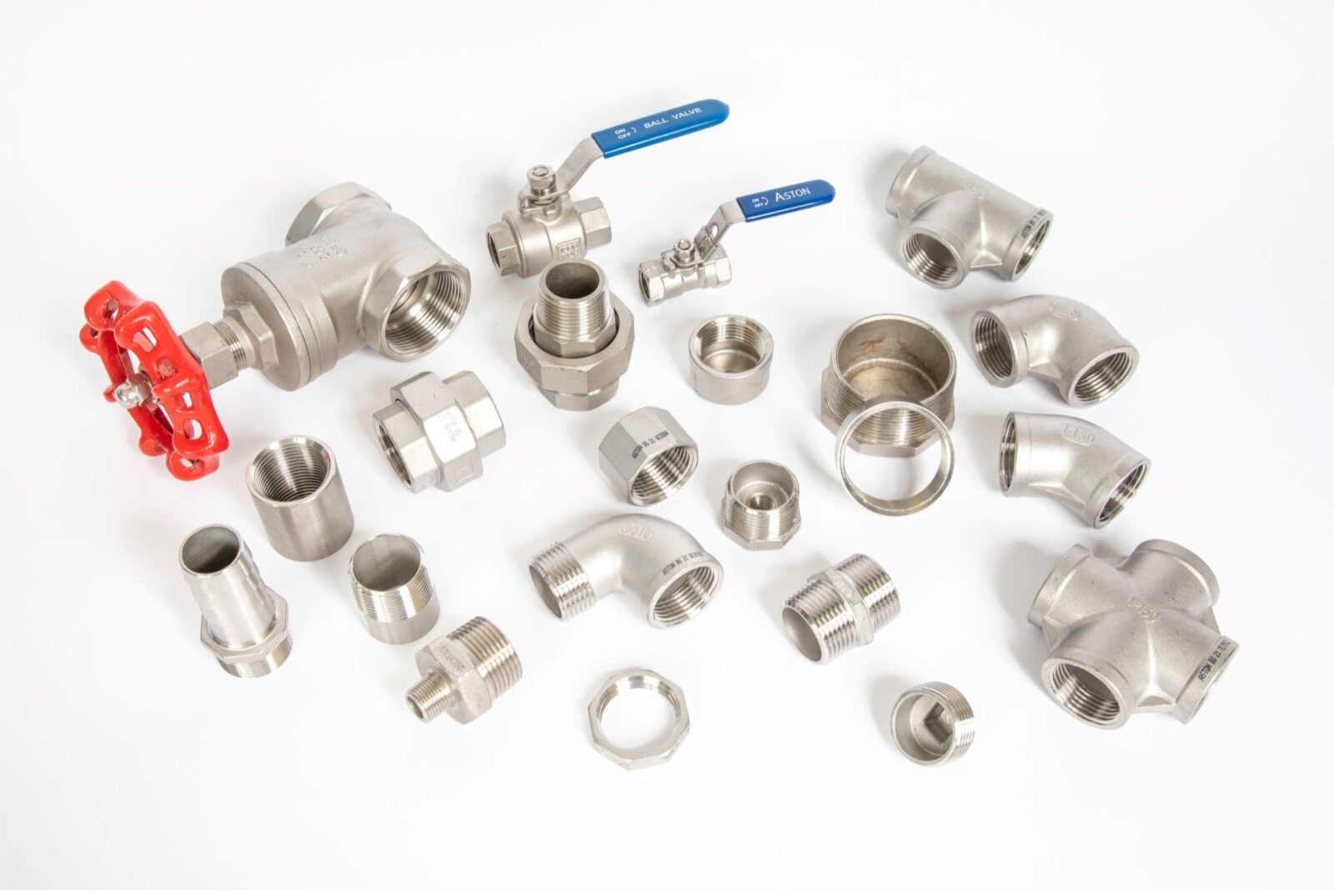
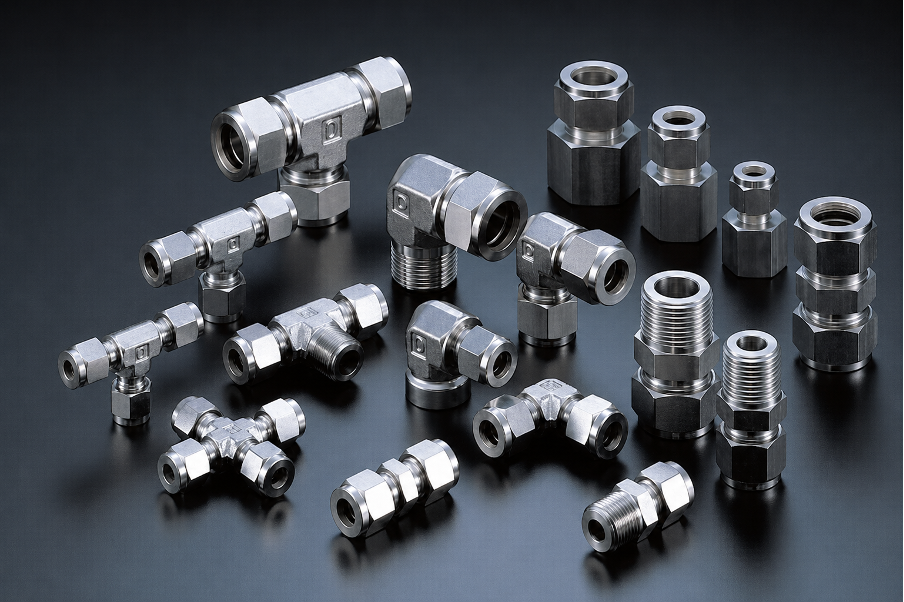
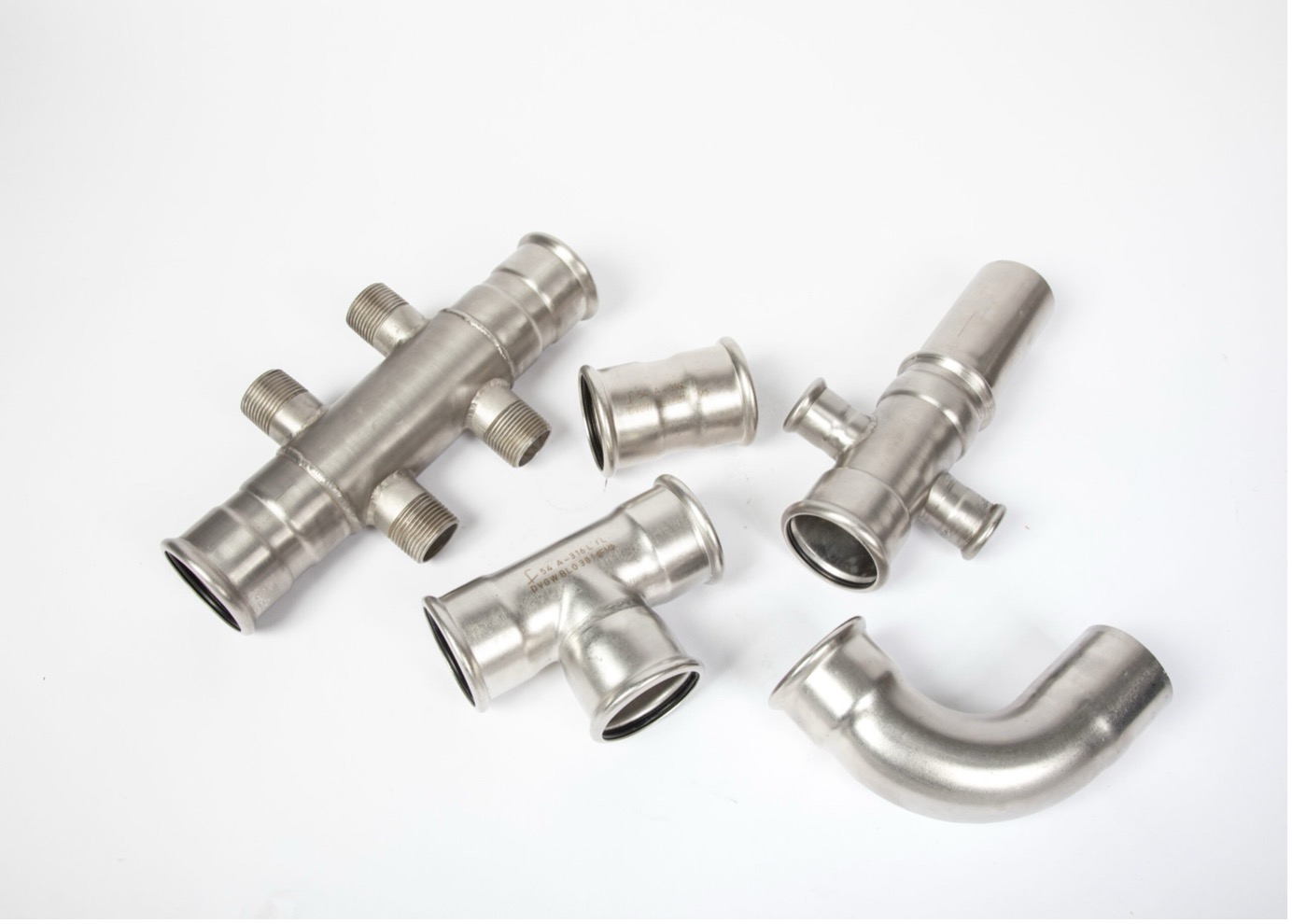
Stainless steel pipe fittings including tees, elbows and connectors

Why Stainless Steel Press Fittings Are Shaping the Future of Pipework

Modern pipework systems are expected to deliver more than ever before. They must be reliable under pressure, efficient to install, adaptable to different environments and built to last. 

At our core, at Aston Fitting’s we exist to support these demands with precision-engineered components that perform consistently in real-world conditions. Among the many solutions we provide, stainless steel press fittings have become an increasingly important part of how today’s systems are designed, installed and maintained.

With decades of experience supplying high-quality fittings to demanding industries, we understand that innovation only matters when it solves genuine problems on site. Our stainless steel press fittings do exactly that, combining strength, speed and long-term performance in one dependable connection method.

A Modern Approach to Pipe Connections

Stainless steel press fittings represent a significant evolution in how pipework is assembled. Instead of relying on welding, threading or soldering, press fittings use a mechanical pressing process to create a secure, permanent joint. Each fitting is designed to be pressed onto the pipe using specialist tools, forming a tight seal that is resistant to leaks and movement.

This method removes the need for heat, flames or consumables, which not only speeds up installation but also improves safety. In environments where hot works are restricted or impractical, press fittings offer a clean and controlled alternative that keeps projects moving without compromise.

The Strength of Stainless Steel

The choice of stainless steel is fundamental to the performance of press fittings. Stainless steel offers exceptional resistance to corrosion, making it suitable for use in aggressive or moisture-heavy environments where other materials may deteriorate over time. Its strength allows it to withstand high pressures and temperature variations without losing its integrity.

This durability makes stainless steel press fittings particularly valuable in sectors such as oil and gas, petrochemical processing, fire suppression, water treatment and pharmaceutical manufacturing. In these settings, component failure is not an option and materials must perform consistently over long service lives.

Efficiency Without Compromise

One of the most significant advantages of stainless steel press fittings is the efficiency they bring to installation. Pressing a fitting into place takes a fraction of the time required for traditional joining methods. This reduces labour costs, shortens project timelines and minimises disruption in occupied buildings or live industrial environments.

Despite the speed of installation, there is no compromise on quality. The pressing process creates a uniform, repeatable connection that is less reliant on installer technique. This consistency reduces the risk of human error and provides greater confidence in the finished system, particularly across large or complex installations.

Designed for Versatility

Our stainless steel press fittings are remarkably versatile. They are suitable for a wide range of media, including water, gas, air and various industrial fluids. Their hygienic properties make them appropriate for applications where cleanliness is critical, while their strength ensures reliable performance in high-pressure systems.

This adaptability means press fittings can be used across multiple industries and project types, from commercial buildings and industrial plants to specialist manufacturing facilities. As system designs become more integrated and space-efficient, the compact nature of press fittings also supports cleaner, more streamlined installations.

Quality at the Centre of Everything We Do

Quality is not an afterthought for us; it is built into every stage of our operation. From material selection through to manufacturing and inspection, our processes are designed to ensure that every stainless steel press fitting meets exacting standards. Our accreditations and internal controls reflect our commitment to consistency, traceability and performance.

We understand that our products often operate behind the scenes, unseen but essential. That is why we place such importance on reliability. Our fittings are designed to perform not just on day one but throughout the lifetime of the system they support.

A Partner You Can Rely On

At Aston Fittings, our role goes beyond supplying components. We see ourselves as a technical partner, supporting our customers with product knowledge, industry insight and responsive service. Whether advising on suitability, availability or system design considerations, our team is committed to helping projects run smoothly from planning through to completion.

Stainless steel press fittings are just one part of our wider commitment to delivering dependable pipework solutions. They reflect our belief that the best products are those that combine engineering excellence with practical benefits on site.

Looking Ahead

As construction methods evolve and performance expectations continue to rise, stainless steel press fittings are set to play an even greater role in modern pipework systems. Their ability to deliver speed, strength and reliability aligns perfectly with the needs of today’s industries.

For us, investing in high-quality stainless steel press fittings is about more than keeping pace with change. It is about providing solutions that stand the test of time and supporting our customers with products they can trust, now and in the future.

Pile of used metal brake discs and scrap automotive parts

Why Carbon Flanges Are the Unsung Heroes of Industrial Systems

In the heart of every industrial system, whether it’s a sprawling oil refinery, a high-pressure steam network or a complex water treatment facility, there exists a component that often goes unnoticed yet plays a pivotal role: the carbon flange. 

At Aston Fittings, we know that while pipes may carry the flow and valves may control it, it is the humble carbon flange that keeps everything connected, secure and performing reliably under pressure. Far from just a simple fitting, carbon flanges are the critical link that transforms a collection of pipes into a resilient, efficient system.

What Are Carbon Flanges?

Carbon flanges are circular fittings crafted from carbon steel, designed to connect pipes, pumps, valves and other pieces of equipment. They act as a bridge, forming a solid, bolted connection that ensures fluids and gases move safely through industrial networks. Unlike welded joints, which are permanent and difficult to adjust, carbon flanges allow for system flexibility, easy maintenance and future expansion without compromising integrity.

The choice of carbon steel is deliberate. This material combines high strength with ductility, making it ideal for applications that demand durability under varying temperatures, pressures and mechanical stresses. Carbon steel flanges are available in a range of grades and specifications to suit different environments; whether the system needs to withstand sub-zero temperatures, high-pressure steam or aggressive chemical exposure. Their adaptability makes them a go-to solution for engineers looking for reliability without excessive cost.

Where Carbon Flanges Are Used

Carbon flanges find their place in some of the most demanding industrial environments. In oil and gas pipelines, they withstand high pressures and fluctuating temperatures while maintaining a leak-proof seal. In petrochemical plants, they secure the transfer of chemicals safely and efficiently, resisting corrosion and wear. 

Water treatment plants rely on them to connect networks that manage both potable water and wastewater, ensuring contamination-free operation. Even power stations depend on carbon flanges to maintain alignment and integrity in steam and cooling systems, where failure is not an option.

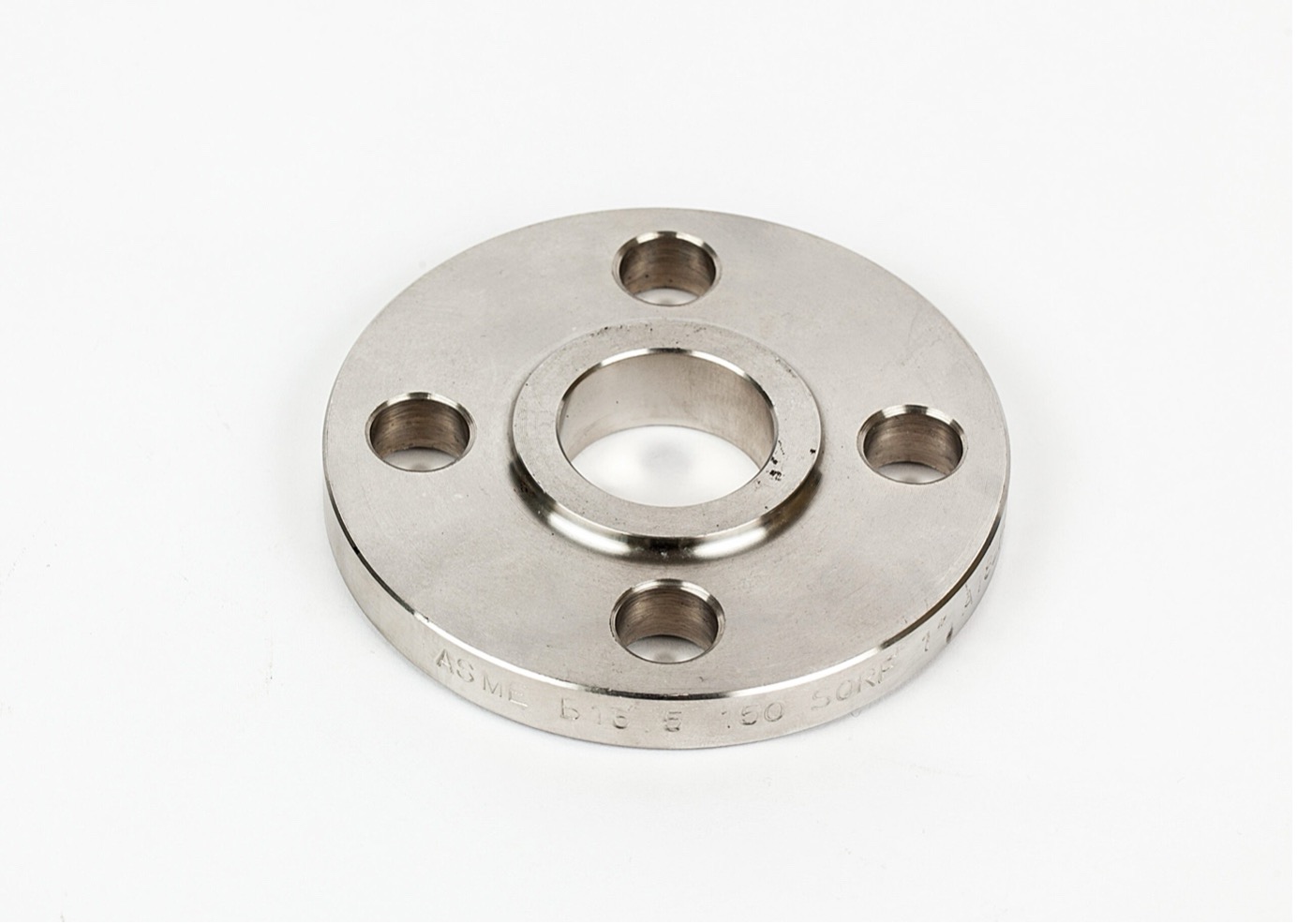
Their design versatility is another reason for their widespread use. From slip-on and weld neck flanges to blind and socket weld types, each style addresses specific engineering requirements, whether it’s ease of installation, high stress resistance or temporary line closure. Carbon flanges can meet almost any configuration challenge while delivering the consistent performance engineers need.

The Function of Carbon Flanges

At Aston Fittings, we often describe carbon flanges as the unsung heroes of pipework: which serve three essential purposes: 

Firstly, they connect disparate parts of a system, making it possible to build modular networks that are easier to inspect, repair or upgrade. 

Secondly, they create a tight seal when paired with the correct gaskets and bolts, preventing leaks that could compromise safety and efficiency. 

Finally, they provide structural support, helping to maintain alignment and reduce strain on pipes, especially in systems subject to vibration or thermal expansion.

Without carbon flanges, industrial systems would be far more rigid and maintenance-intensive. Welded joints everywhere would make modifications expensive and time-consuming, whereas flanges allow for flexibility and longevity, reducing downtime and keeping operations running smoothly.

Choosing the Right Carbon Flange

Selecting the correct carbon flange is more than simply choosing the right size. The flange must match the system’s pressure rating, from light-duty low-pressure pipelines to high-pressure critical systems. 

Material grade matters too, as certain carbon steel compositions perform better at extreme temperatures or in specific chemical environments. Compliance with recognised standards ensures that flanges integrate seamlessly with other components, maintaining reliability and safety across the network.

The type of flange also plays a crucial role. Weld neck flanges are ideal for high-stress areas, slip-on flanges allow for simple and quick installation and blind flanges provide a secure cap for unused pipe ends. 

At Aston Fittings, we work closely with our clients to identify the most suitable flange for each application, balancing performance, cost and ease of maintenance to provide tailored solutions for every industrial need.

Quality and Standards Matter

In industrial applications, quality is not negotiable. A carbon flange must perform consistently under pressure, temperature variation and mechanical stress. 

Our carbon flanges are manufactured and rigorously tested to meet strict quality standards, giving clients the assurance that every component is reliable and fit for purpose. Material traceability, precision engineering and careful quality control ensure that each flange can withstand the demands of its intended application, whether it’s a small utility system or a high-pressure petrochemical line.

Choosing high-quality carbon flanges reduces the risk of failure, improves operational safety and extends the lifespan of the system. It’s a decision that pays dividends in both efficiency and cost savings over time, ensuring that critical industrial processes continue without interruption.

Beyond Flanges: A Complete Pipework Solution

While carbon flanges are the cornerstone of a secure piping system, they form part of a broader network of essential components. At Aston Fittings, we provide a comprehensive range of products, including buttweld fittings, valves, bespoke fabrications and ancillary components. This holistic approach means our clients can source all the components they require from a single, trusted provider; ensuring compatibility, convenience and peace of mind.

Whether you’re designing a new system, upgrading your existing infrastructure or carrying out maintenance, our range of carbon flanges and expert support helps you achieve a connection that lasts, performs and inspires confidence: Because in every successful industrial system, it is the connections that hold everything together.

Factory worker operating CNC machine control panel in manufacturing facility

Sub Contract Machining: The Backbone of Precision Manufacturing

Sub contract machining plays a vital role in modern manufacturing, supporting industries that demand accuracy, reliability and consistency. From energy and process engineering to specialist industrial applications, businesses increasingly rely on trusted partners to supply precision-machined components that meet exact specifications. 

As one of these trusted partners, at Aston Fittings, rather than viewing sub contract machining as a simple outsourcing solution, we believe it should be seen as a strategic approach to maintaining quality while improving efficiency across the supply chain.

As manufacturers face rising costs, tighter tolerances and more complex designs, sub contract machining has become an essential part of keeping projects moving without compromise.

Understanding Sub Contract Machining

Sub contract machining refers to the manufacture of components by a specialist engineering supplier, working to customer drawings and technical requirements. These components are then integrated into larger systems, assemblies or end products. The approach allows engineering teams to focus on design, assembly and delivery while relying on experienced machinists to produce high-quality parts.

This model is particularly valuable where components require specialist materials, complex geometries or repeatable accuracy. By using our sub contract machining, businesses gain access to advanced CNC machinery, skilled operators and established quality processes without the need for major capital investment.

Why Sub Contract Machining Is Essential Today

Manufacturing environments are under constant pressure to deliver more, faster and with greater precision. In-house machining is not always practical, especially when demand fluctuates or when projects require specialist capability that may only be used occasionally.

Sub contract machining provides a reliable solution by offering consistent production capacity, even during peak periods. It also helps reduce lead times, as experienced machining partners are already equipped to handle complex work efficiently. Quality is another key factor. Reputable sub contract machining suppliers operate strict inspection and traceability procedures, ensuring every component meets specification and performs as intended.

For industries where failure is not an option, such as energy, petrochemical and industrial processing, this level of control is essential.

The Importance of Component Supply in Sub Contract Machining

While machining expertise is critical, the quality of the starting materials and components is equally as important. Supplying components for sub contract machining requires a deep understanding of material grades, dimensional tolerances and end-use conditions. Precision parts must perform reliably under pressure, temperature variation and long-term operational stress.

At Aston Fittings, we support sub contract machining by supplying components that are designed to integrate seamlessly into machined assemblies. From raw materials and semi-finished parts to fully machined items, our focus is on providing components that machinists can trust. This reduces the risk of rework, improves efficiency and supports consistent output across production runs.

A Practical Approach to Sub Contract Machining

Effective sub contract machining is built on collaboration. Understanding how a component will be used, how it interfaces with other parts and what conditions it will face allows for better manufacturing decisions from the outset. Tolerances, finishes and material selection all influence performance and longevity.

Our machining capabilities cover a wide range of requirements, from straightforward components to highly complex parts with tight tolerances. CNC turning and machining centres are supported by conventional equipment, allowing flexibility across different project scales. This blend of modern technology and practical experience ensures components are produced accurately and efficiently.

By supplying components that are compatible with these machining processes, we help streamline production and reduce unnecessary delays.

Quality, Traceability and Confidence

One of the main reasons businesses choose sub contract machining is confidence in quality. Components often form part of safety-critical or high-value systems, making consistency and traceability non-negotiable. Every stage of the production must be controlled and documented.

Supplying components for sub contract machining means maintaining clear material certification, dimensional accuracy and repeatability across batches. This supports full traceability from raw material through to finished part, giving engineers the confidence that their components meet both regulatory and operational requirements.

Quality control is not an afterthought. It is built into every stage of the process, from material selection to final inspection.

Supporting Long-Term Manufacturing Partnerships

Sub contract machining works best when it is treated as a long-term partnership rather than a transactional service. Reliable component supply allows machining partners to plan production more effectively and maintain consistent standards over time. This results in better outcomes for everyone involved.

By focusing on component supply for sub contract machining, we help customers reduce complexity within their supply chains. Fewer delays, fewer quality issues and greater predictability all contribute to smoother project delivery. Over time, this approach supports improved efficiency, reduced costs and stronger working relationships.

Looking Ahead

As manufacturing continues to evolve, sub contract machining will remain a cornerstone of precision engineering. The demand for high-quality components, produced efficiently and reliably, shows no sign of slowing. Businesses that invest in strong machining partnerships and dependable component supply will be best placed to meet future challenges.

By supporting sub contract machining with carefully specified components and a practical understanding of manufacturing requirements, our team helps ensure projects are delivered to the standards that modern industry demands.

fire-sprinkler

Watermist Fire Suppression Systems: The Future of Fire Protection

As fire protection technology continues to evolve, watermist fire suppression systems are taking centre stage as one of the most efficient, environmentally responsible and versatile solutions available. 

At Aston Fittings, we work closely with engineers, installers and manufacturers who rely on precision components to build these systems and we’ve seen first-hand how watermist technology is transforming fire safety across a wide range of sectors. 

What Are Watermist Fire Suppression Systems?

Watermist fire suppression systems operate by dispersing incredibly fine water droplets, typically less than 1,000 microns in diameter; Because these droplets are so small, they respond differently to heat and fire compared to traditional sprinkler systems. 

As the mist reaches high temperatures, the droplets evaporate rapidly, removing heat from the fire and cooling the surrounding air. At the same time, these droplets displace oxygen in the immediate vicinity, helping to extinguish the flames and prevent re-ignition.This dual mechanism makes watermist exceptionally effective. 

The fine mist can also reach areas that conventional sprinklers struggle with, such as confined spaces or areas shielded by machinery or structural features. Additionally, because the system uses water in such small quantities, it dramatically reduces the risk of water damage during and after the sprinklers activation.

Why Watermist Systems Are Gaining Momentum

Modern fire protection must do more than simply extinguish flames. It must protect life, safeguard assets, support business continuity and avoid unnecessary environmental impact. Watermist technology has been engineered specifically to meet all of these expectations.

One of the most significant advantages of watermist fire suppression systems is their ability to suppress a fire quickly. The speed at which the mist cools the fire and reduces the temperature makes it exceptionally effective at stopping the spread. Whether in a residential kitchen or an industrial plant room, this fast suppression can be the difference between a contained incident and extensive damage.

Another major appeal of watermist fire suppression systems is that they use substantially less water compared to traditional sprinkler systems. By releasing microscopic droplets instead of large volumes of water, watermist fire suppression systems achieve the same; and often better; levels of suppression while using a fraction of the water of standard systems. This is particularly important in areas that contain sensitive materials, such as archives, data centres, medical facilities or locations where water damage would cause significant disruption.

Watermist systems are also environmentally responsible. Since they rely solely on water, they produce no toxic by-products, no chemical residue and no long-term environmental harm. In a world increasingly focused on sustainability and responsible building management, this makes installing watermist fire suppression systems a forward-thinking choice for your property. 

  Safety during activation is another crucial factor. Traditional gas-based fire suppression systems can pose risks to occupants when discharged. Watermist systems, however, are completely safe for people, as water is non-toxic and does not displace oxygen significantly throughout an entire room. This makes them well suited to buildings where occupants may need to remain in place during part of the evacuation or where staff are present around the clock.

Our Role in Supporting Watermist Systems

At Aston Fittings, our primary focus is on manufacturing high-quality products, from pipe fittings, valves and flanges to bespoke stainless-steel components: all of which are elements that form the backbone of many watermist fire suppression systems. These systems operate under carefully controlled pressures, making the reliability of their components essential. The high-quality components we supply help ensure that every droplet is delivered precisely where it needs to be; giving you peace of mind that should the worst occur, your system should hold up to the challenge.

Furthermore, our expertise allows us to support both standard requirements and bespoke solutions. Whether a project calls for specialist stainless-steel fittings, custom adaptors or durable pipework that can withstand demanding conditions, our team can work alongside system designers and installers to achieve dependable results. Fire suppression systems, especially those using watermist technology, cannot afford weak points: which is why precision engineering matters.

A Smarter Approach to Modern Fire Protection

As businesses, property owners and safety professionals plan for the months ahead, watermist fire suppression systems continue to stand out as one of the smartest, most adaptable and most environmentally conscious choices available for your property’s safety: They reduce fire damage, lessen the impact of downtime, minimise environmental harm and offer excellent protection for both people and property.

At Aston Fittings, we’re proud to contribute to this growing area of fire safety innovation by supplying the essential components that make these systems work effectively. As more buildings adopt advanced fire suppression solutions, watermist technology is sure to play a central role in shaping the future of fire protection.

If you’re interested in how our bespoke component manufacturing solutions can be incorporated into your properties’ watermist fire suppression systems, get in touch with our expert team today for more information. 

Stainless steel ball valve with blue lever handle and threaded ends

Mastering Flow Control with Stainless Steel Ball Valves

At Aston Fittings, we pride ourselves on being far more than just a supplier: we are your reliable partner in engineering excellence. When it comes to stainless steel ball valves, a critical component in countless industrial systems, our commitment to quality, precision and innovation truly shines through.

What Makes Stainless Steel Ball Valves So Essential?

Stainless steel ball valves are the unsung heroes of fluid control. Their robust construction, tight sealing and resistance to corrosion make them ideal for demanding environments such as petrochemical plants, water treatment systems and fire-suppression networks. These valves deliver dependable performance across a wide range of temperatures and pressures, offering a long service life and minimal maintenance: a must for mission-critical infrastructure.

Unlike other valve types, ball valves are designed to provide full shut-off with a simple quarter-turn operation, which makes them both efficient and reliable. Their smooth operation reduces wear and tear on connected piping systems and minimises the risk of leaks, which is a crucial factor when handling hazardous or sensitive fluids.

Our Expertise in Stainless Steel Ball Valves

Since our founding, at Aston Fittings we have developed deep engineering know-how in both manufacturing and supplying high-quality ball valves. From our 16,000 sq ft factory in Birmingham, we produce and supply valves in stainless steel grades such as 304 and 316, crafted to meet exacting quality standards.

Our stainless steel ball valve range includes screwed-end and flanged valves suitable for a variety of system connections. They are available in multiple pressure ratings to accommodate both standard and high-pressure applications and every valve is designed with PTFE sealing for smooth operation and lasting integrity, while compact, precision-machined bodies ensure easy installation even in tight or sensitive spaces. Our ability to offer both standard and bespoke configurations means we can meet the most exacting project requirements.

Tailored Solutions: It’s Not One Size Fits All

One of our core strengths at Aston Fittings is the ability to go beyond off-the-shelf components. Through our custom machining and fabrication services, we deliver bespoke valve solutions designed precisely for your application. Whether you are working in renewable energy, oil and gas, fire suppression or process engineering, our skilled team can fabricate non-standard or custom-configured stainless steel ball valves to your exact specifications.

Our CNC machining capability allows us to handle both small prototype orders and large production runs, all with consistently tight tolerances and high repeatability. This means clients can rely on us to produce valves that not only fit perfectly but perform consistently under challenging operating conditions. By combining advanced manufacturing processes with engineering expertise, we ensure that our valves provide a long service life even in demanding applications.

Built to Withstand Harsh and Critical Environments

In sectors such as petrochemical, renewable energy and fire suppression, the materials you choose matter. Stainless steel ball valves excel under high pressure and high temperature, handling extreme conditions without compromising on performance. They resist corrosion even when exposed to aggressive chemicals and are ideal for hygienic or sterile environments such as food, pharmaceutical or water-treatment systems, as stainless steel’s non-porous surface helps prevent contamination.

The strength of stainless steel, combined with careful design, ensures these valves are capable of withstanding mechanical stresses and repeated use without compromising their structural integrity. For industries where safety and reliability are paramount, choosing the right valve is not optional: it is a necessity.

Quality Assurance and Traceability

Quality underpins everything we do. Our manufacturing is fully ISO 9001:2015 certified, giving you confidence that every valve is held to rigorous quality control throughout production. We also provide material certification for full traceability, so you know exactly the grade of stainless steel used in your valves. This transparency is vital when you are working in sectors with stringent regulatory or safety requirements.

Furthermore, every valve we make undergoes a thorough inspection to ensure it meets performance specifications; and our engineering team monitors production at every stage to prevent defects. By maintaining strict quality assurance processes, we minimise the risk of operational failures and help clients maintain uninterrupted performance across their systems.

Supporting a Sustainable Future

We are proud to serve the renewable energy sector with our stainless steel ball valves, helping to build systems that are both high-performance and low-impact. Our durable components contribute to long-lasting infrastructure, reducing resource waste and supporting environmental sustainability. By choosing materials and processes that stand the test of time, we help our clients create systems that are more efficient and environmentally responsible.

Ensuring Reliable Flow in Every System

When your system demands resilience, tight sealing and long-term reliability, stainless steel ball valves from us at Aston Fittings are the ideal solution. We combine precision engineering, high-quality materials and expert fabrication to deliver valves that truly perform. Whether you are working in water treatment, petrochemicals, fire suppression or any other industry, we have the expertise and capacity to support you.

If you would like to discuss how our stainless steel ball valves can meet your specific requirements or if you are looking for a bespoke valve solution tailored to your application, we would be delighted to help. Contact us today and ensure your system keeps flowing reliably and efficiently.

Bulk brass compression fittings and plumbing connectors stacked together

Brass Fittings: Precision Connections That Last

As we turn the page into a new year, it’s been a time to reflect on the foundational role of premium-quality brass fittings in all manner of industrial and process-engineering applications. At our specialist engineering facility, we understand that even the most straightforward component: a brass fitting: can be the difference between reliably safe operations and costly downtime. 

So how do our brass fittings deliver value? What are the applications where they excel? And how does our approach to their supply ensure that performance is never compromised?

Why Brass Fittings Still Matter

Brass remains a material of choice in many areas of process engineering thanks to its excellent balance of machinability, corrosion-resistance, dimensional stability and cost-effectiveness. Brass is an alloy of copper and zinc, with proportions varying to deliver specific mechanical and chemical properties.

When you choose brass fittings in your pipe, tube or instrumentation systems, you’ll benefit from exceptional corrosion resistance in a variety of environments, including water, steam, compressed air and many industrial gases. 

Their machinable nature ensures precise threading and reliable engagement, while the longevity of the material guarantees consistent performance over years of use. Brass fittings also provide an economical solution, delivering strong performance in standard-duty applications where more expensive materials might not be necessary. Brass fittings are often used where stainless steel may be over-specification or where the balance between cost and performance is crucial.

Our Brass Fittings Portfolio and Capabilities

Whilst our core portfolio covers an extensive range of materials and systems, we give equal attention to brass fittings because we recognise the vital role they play in many projects. We supply brass in items such as compression fittings in both single-ferrule and twin-ferrule designs, instrumentation connectors, pipe and tube adaptors, union assemblies and more.

Our facilities are set up to manufacture, stock and supply fittings in brass and a wide variety of other materials, with accreditation and certification built in. Every brass fitting we supply is manufactured to precise tolerances for repeatable, reliable installation. Whether you require standard catalogue parts or bespoke configurations, we can accommodate non-standard material grades, sizes or thread types to meet your specific needs.

All of our fittings come with full material certification and traceability, ensuring that every order meets your quality assurance requirements. With rapid logistics and UK-wide distribution, the brass fittings you need will arrive exactly when required, helping you maintain your schedule without compromise.

Applications Where Brass Fittings Shine

From steam systems to instrumentation lines and compressed-air networks to chemical-transfer pipework, brass fittings hold their own in a wide range of demanding settings.

In instrumentation and control lines, where accuracy and stability are paramount, small-bore tubing with ferrule or compression fittings is commonplace. Brass offers excellent machinability, allowing for very fine tolerances that are essential when systems demand precise pressure or flow measurement. For moderate-duty applications, twin-ferrule compression fittings in brass provide a cost-effective and reliable solution.

Brass fittings also excel in projects where cost versus performance must be balanced. In many cases, stainless steel or exotic alloys may offer more strength than required, resulting in unnecessary expense. By selecting high-grade brass fittings with appropriate certification, engineers can optimise performance while keeping costs manageable.

What to Specify and What to Ask

When specifying brass fittings or working with us to select the right solution there are several key criteria to consider.

The first is material grade. Brass alloys vary in composition and some environments require a dezincification-resistant (DZR) brass to ensure maximum durability, especially in high-temperature or chloride-rich conditions. Pressure and temperature ratings are also essential and fittings must always be sized and selected correctly for the intended service.

Connection type plays a crucial role in installation and maintenance. Screw-threaded (BSPT, BSPP, NPT), socket-weld, butt-weld and compression fittings each have distinct advantages and considerations. Choosing the correct type will influence performance, ease of assembly and maintenance requirements.

Traceability and certification are vital, particularly in regulated industries such as pharmaceuticals, food and beverage production and petrochemicals. Full documentation ensures that every fitting can be tracked back to its material source and production batch.

Installation best practice must also be observed. Even the best-engineered brass fitting can fail if installed incorrectly. Ensuring proper alignment, clean ends and correct torque application will guarantee long-term reliability. 

Finally, when projects call for non-standard solutions, bespoke manufacturing and fabrication services can provide custom fittings that meet exact requirements.

Why Trust Us with Your Brass Fittings

We take the manufacture and supply of all fittings seriously and brass is no exception. Based in the West Midlands, our 16,000 square foot factory facility combines local manufacturing expertise, comprehensive stockholding and efficient worldwide distribution to deliver solutions that meet even the most demanding project timelines.

Furthermore, our ISO 9001:2015 accreditation ensures that every stage of production, inspection and dispatch adheres to the strictest quality standards. Each brass fitting is also backed by full material certification and traceability, giving customers complete confidence in compliance and performance; And, because we hold extensive inventory and maintain a strong supply chain, we are able to offer rapid, UK-wide delivery on a wide range of standard brass fittings, ensuring that time-critical projects remain on track.

As we head into the new year, selecting the right brass fittings remains a vital decision in any process or instrumentation engineering project. Whether you’re designing a new system or maintaining an existing installation, the fittings you choose will directly affect reliability, ease of maintenance and long-term cost efficiency.

When your system demands robust, dependable connections, make sure your brass fittings are fit for purpose. Our team is always ready to provide guidance and technical support to help you specify the right solution for your next project.

Stacked steel pipes arranged in an industrial warehouse

The Enduring Value of Stainless Steel Tubes in Modern Industry

In the ever-evolving landscape of industrial engineering, the demand for materials that combine strength, versatility and longevity is paramount. Stainless steel tubes have emerged as a cornerstone in this regard, offering unparalleled performance across a multitude of sectors. Their exceptional durability, resistance to corrosion and adaptability make them a material of choice for businesses looking to build efficient, long-lasting and safe systems. 

At Aston Fittings, we understand the critical role that high-quality stainless steel tubes play in ensuring the success of a wide range of projects.

Unveiling the Strength and Durability of Stainless Steel Tubes

At the heart of stainless steel’s appeal is its remarkable strength-to-weight ratio. This characteristic ensures that structures and systems remain robust without unnecessary bulk, facilitating innovative and efficient design solutions. Unlike other materials that may require reinforcement or frequent replacement, stainless steel maintains its integrity over decades, even under challenging conditions.

Equally important is stainless steel’s resistance to corrosion and staining. Whether exposed to moisture, chemical agents or fluctuating temperatures, stainless steel tubes continue to perform reliably. This means fewer interruptions for maintenance, lower long-term costs and a reduced risk of system failures. In industries where downtime can be costly or even dangerous, stainless steel tubes provide reassurance and confidence.

Versatility Across Industries

The applications for stainless steel tubes are almost limitless and their benefits extend across a wide range of industries, including: 

Chemical and Petrochemical Processing

In the chemical and petrochemical industries, the stakes are high. Plants often handle aggressive substances, high pressures and extreme temperatures. Stainless steel tubes are indispensable in these settings because they resist corrosion and maintain strength under these harsh conditions. 

From transporting volatile chemicals to supporting structural elements within processing facilities, stainless steel ensures that systems remain safe and reliable. At Aston Fittings, our stainless steel tubes are carefully selected and engineered to meet the exacting standards of this demanding sector.

Food and Beverage Sector

In food and beverage production, safety and hygiene are paramount. Stainless steel tubes excel in these environments because they are non-reactive, easy to clean and resistant to bacterial growth. They are used in everything from processing equipment to storage tanks and transportation lines, ensuring that every product is handled safely and meets regulatory standards. The smooth surface of stainless steel tubes also helps prevent contamination, making them a trusted material in kitchens, breweries, dairies and bottling plants.

Water and Wastewater Treatment

Water treatment and wastewater management are other sectors where stainless steel tubes prove invaluable. These systems are constantly exposed to moisture, chemicals and varying pressures. 

Stainless steel tubes maintain their strength and integrity, so even in such demanding conditions, they can ensure that filtration systems, pumps and distribution networks operate efficiently. By contributing to reliable and effective water treatment, stainless steel tubes help communities access clean, safe water while supporting sustainable practices in municipal and industrial settings.

Automotive and Transportation

The automotive and transportation industries also rely heavily on stainless steel tubes. Their strength, durability and resistance to corrosion make them ideal for components such as exhaust systems, fuel lines and structural supports. 

Stainless steel tubes contribute not only to the longevity of vehicles but also to safety, ensuring that critical systems can withstand high pressures, heat and environmental challenges. In modern vehicle design, where performance and reliability are crucial, stainless steel is often the preferred choice.

Medical and Pharmaceutical Applications

Precision, cleanliness and safety are essential in medical and pharmaceutical settings. Therefore, stainless steel tubes are widely used in surgical instruments, medical implants and pharmaceutical manufacturing equipment. 

Their inert nature ensures that they do not react with sensitive substances, while their smooth, non-porous surfaces make them easy to sterilise. This guarantees that equipment remains safe, hygienic and compliant with strict health and safety regulations.

Driving Industry Forward with Stainless Steel Tubes

Stainless steel tubes are more than just a material; they are a solution. Their combination of strength, durability, versatility and sustainability makes them essential for modern industrial and commercial applications. From chemical processing plants to water treatment facilities and automotive manufacturing to medical and pharmaceutical equipment, stainless steel tubes are integral to the safe and efficient operation of countless systems.

At Aston Fittings, our team takes pride in supplying stainless steel tubes to meet the highest standards. We understand that every project has unique requirements and we ensure that our products support these needs with reliability and consistency. As industries continue to evolve and demand greater efficiency, safety and sustainability, our stainless steel tubes will continue to play a central role in driving innovation and performance.

Whether you are planning a new project or upgrading an existing system, investing in our high-quality stainless steel tubes is a decision that delivers long-term benefits. They offer the resilience, flexibility and dependability that modern industry demands, ensuring that systems remain operational, safe and efficient for years to come. 

For more information on our stainless steel tubes, please contact our team today and we’ll be happy to discuss your project.

34 inch brass threaded pipe elbow fitting for plumbing applications

Brass Fittings: The Backbone of Reliable Fluid Systems

As December approaches and we reflect on another year of innovation and service, we at Aston Fittings are pleased to share insights into a component that silently underpins countless critical systems: brass fittings. While our expertise spans stainless steel, corrosion-resistant alloys, fabrication and flanges, the role of brass fittings in piping, instrumentation and control systems remains foundational. 

So why do brass fittings matter? Where do they truly shine? And how does our experience ensure that your systems run safely, efficiently and reliably?

Why Brass Fittings Matter

Brass is an alloy typically composed of copper and zinc and it brings together a combination of properties that make it a go-to material for many fluid system designers. Its advantages include corrosion resistance, which makes it ideal for water, steam and certain non-aggressive chemical environments; Whereas its malleability and machinability allow for complex threads, custom geometries and precise tolerances without excessive tool wear. Brass also has good thermal and electrical conductivity, which can be useful in specific instrumentation or control applications. Finally, it is cost-effective, providing a strong balance between performance and price compared to more expensive materials such as stainless steel.

Due to these many strengths, brass fittings are often chosen for instrumentation, pneumatic control lines, smaller bore systems, sampling lines and wherever moderate pressures and temperatures apply. Properly specified brass fittings can deliver long service life with minimal maintenance, making them an enduring choice for both new installations and system upgrades.

Applications and Challenges for Brass Fittings

Even the best material can falter if misapplied and brass is no exception. Compatibility with the fluid is crucial; while brass performs well in many environments, it is not suitable for highly acidic or chlorinated media. Temperature and pressure limits also need to be respected, as brass has certain thresholds beyond which more robust materials, such as stainless steel or nickel alloys, may be more appropriate. 

Galvanic corrosion is another consideration when brass is used in systems that include dissimilar metals like aluminium or carbon steel. Managing these electrochemical interactions is vital to avoid premature degradation.

Thread sealing and leak tightness can also be a challenge. Achieving reliable seals often requires skill in applying thread tapes, liquid sealants or the use of compression fittings to prevent the overtightening of softer brass threads. Our engineering team brings decades of experience to mitigate these issues, offering guidance on material compatibility, correct pressure classes and best practices for installation to ensure long-term performance.

How We Support Brass Fitting Solutions

Although our broader portfolio encompasses stainless steel compression fittings, threaded fittings, pressure-class fittings and fabrication services, brass fittings remain an important part of our offering. We support customers in this area through tailored design consultation, precision manufacturing, material traceability and reliable distribution.

We believe the best solutions start with an informed design. When you approach us for brass fittings, we begin by asking key system questions about fluid chemistry, operating pressure, temperature cycles, acceptable tolerances and compatibility with existing components. This ensures that we don’t simply supply a standard brass fitting but one that performs optimally in your system.

Using our in-house machining capabilities, we manufacture brass fittings to exacting tolerances, ensuring leak-tight performance even under demanding operating conditions. Every batch undergoes dimensional checks, thread verification and pressure testing to ensure compliance with recognised industry standards.

We also understand that traceability is essential, particularly in regulated sectors such as petrochemical, water treatment, food and beverage and renewable energy. When you order brass fittings from us, we provide material certifications, test reports and batch numbers for full traceability through your quality assurance processes.

Additionally, to support projects of all scales, we maintain a well-stocked inventory of commonly used brass fittings, reducing lead times and ensuring that our customers can proceed without delay. For non-standard or bespoke requirements, our flexible production process allows us to deliver custom solutions efficiently.

Often systems require brass fittings in one section and stainless steel or other alloy fittings elsewhere. Our expertise in multi-material assemblies allows us to supply transition fittings and galvanic isolators that maintain system integrity and prevent corrosion between dissimilar metals. This integrated approach means our clients can benefit from complete, compatible systems sourced from one trusted partner.

Seasonal Planning and Year-End Readiness

December is a natural time for reflection, planning and preparation for the coming year. It is also the ideal period to reassess the fittings in your critical systems, particularly brass or mixed-material assemblies. Reviewing your inventory now ensures reliability through the colder months and into the new year.

Planning upgrade cycles and scheduling maintenance during the quieter winter period helps avoid unexpected downtime later. Placing orders for essential brass components now also helps to avoid supply delays as demand rises in the new year.

If you are including brass fitting replacements or modifications in your annual maintenance programme, our team is ready to provide advice, quotations and timely delivery to keep your operations running smoothly.

At Aston Fittings, we understand that brass fittings are much more than simple connectors. They are critical components in fluid systems that depend on durability, safety and precision. Our expertise in design, machining, material certification and system integration ensures that every brass fitting we supply performs reliably from day one.

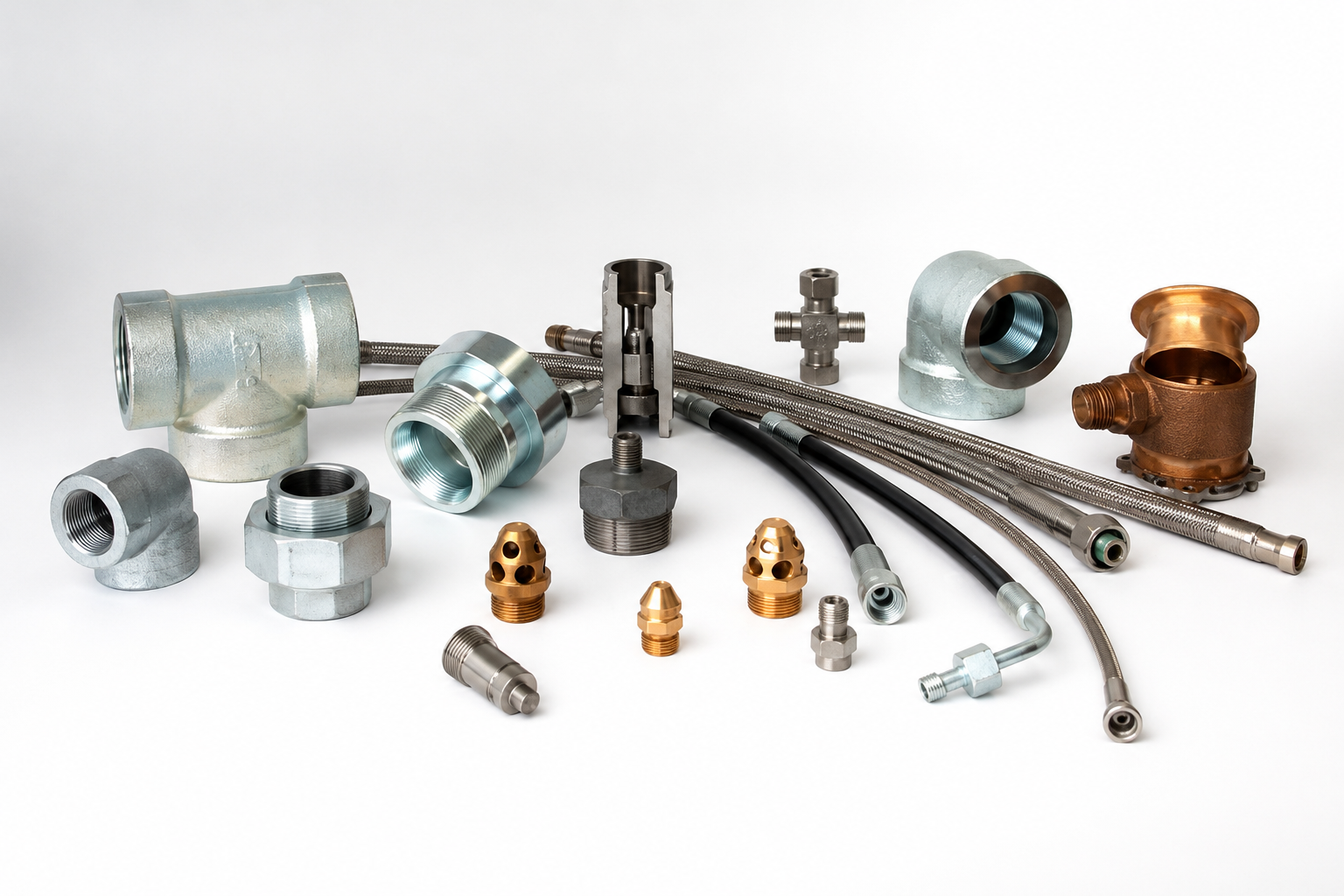
Hydraulic hoses and metal fittings connected to industrial machinery

Stainless Steel Convoluted Hoses: Reliable Flexibility for Demanding Applications

In modern industry, where systems are often exposed to heat, vibration and pressure fluctuations, the need for durable yet flexible piping solutions is greater than ever. Stainless steel convoluted hoses have become the product of choice in sectors where reliability is non-negotiable. These hoses combine the strength of stainless steel with the adaptability of a flexible design, making them suitable for a wide variety of applications from petrochemical plants to food processing facilities.

With their distinctive corrugated structure, stainless steel convoluted hoses are engineered to solve problems that rigid pipework cannot. They can absorb vibration, compensate for misalignment and withstand temperature extremes without compromising on performance. As winter sets in and industries prepare for increased seasonal demands, many businesses are reviewing the resilience of their systems and stainless steel convoluted hoses are an increasingly important part of that conversation.

Understanding Stainless Steel Convoluted Hoses

At their core, stainless steel convoluted hoses are tubes with evenly spaced corrugations that give the hose its flexibility. This design allows movement in multiple directions, which is particularly useful in systems where thermal expansion, contraction or vibration would otherwise cause stress fractures in rigid piping. The use of stainless steel ensures corrosion resistance, high tensile strength and the ability to operate under both high pressure and vacuum conditions.

The hoses can also be over-braided with stainless steel wire, adding an additional layer of protection and strength. The braid prevents elongation under pressure, shields against abrasion and helps the hose maintain its form in challenging environments. The result is a product capable of long service life, even in systems exposed to harsh or unpredictable conditions.

Where Performance Matters Most

The applications for stainless steel convoluted hoses are as varied as the industries that rely on them. In oil and gas facilities, they are used to connect pumps, compressors and processing units where vibration would quickly degrade rigid alternatives. In power generation and renewable energy systems, they provide flexible joints in high-temperature steam lines or gas feeds. Water treatment and desalination plants use them for chemical dosing and as flexible connectors that can withstand constant exposure to moisture and corrosive media.

Pharmaceutical and food processing industries, which demand both hygiene and durability, benefit from their ability to deliver corrosion resistance alongside ease of cleaning. Fire suppression systems employ stainless steel convoluted hoses to route around obstacles in confined spaces, maintaining safety without compromising the integrity of the system. Even in everyday manufacturing, these hoses prove their worth by connecting instrumentation equipment where precision and reliability are essential.

Key Advantages of Stainless Steel Convoluted Hoses

The appeal of stainless steel convoluted hoses lies in their combination of properties. They provide flexibility without sacrificing strength, a balance not easily achieved by other hose materials. Their vibration-damping characteristics protect sensitive equipment, while their capacity to withstand wide temperature ranges makes them suitable for both cryogenic and high-heat environments.

Corrosion resistance is another major factor. Stainless steel remains resilient where rubber or plastic hoses might degrade, especially when exposed to aggressive chemicals or saline environments. Their ability to function under vacuum conditions also makes them essential in industries such as semiconductor manufacturing, where maintaining a sealed system is critical.

From a practical perspective, stainless steel convoluted hoses are also straightforward to install. Their flexibility allows them to be routed around tight spaces, reducing the need for complex pipework layouts. This adaptability saves time during installation and reduces long-term maintenance costs.

Seasonal Reliability

December is a time when many industries experience increased strain on their systems. Heating networks, steam systems and processing plants often operate at higher capacity, and the effects of low temperatures add another layer of stress. Stainless steel convoluted hoses provide reassurance during this period, offering resilience in conditions that might cause other hose types to fail. Their resistance to brittleness in cold weather and their ability to manage expansion and contraction under fluctuating temperatures makes them especially reliable during the winter months.

Supported by Trusted Expertise

While the qualities of stainless steel convoluted hoses make them invaluable, choosing the right specification for an application is vital. Factors such as pressure ratings, hose diameter, braid configuration and end fittings all play a role in performance. This is where experienced suppliers such as ourselves provide essential support. With decades of experience in hose assemblies, fittings and flanges, our company works with engineers to ensure every stainless steel convoluted hose is suited to its intended role.

Looking Ahead

As industries continue to modernise, the role of stainless steel convoluted hoses is set to grow. They represent a dependable solution to challenges that are only becoming more complex; managing higher pressures, harsher chemicals and greater efficiency demands. In energy, water, food and pharmaceutical sectors, their importance cannot be overstated.

For businesses reviewing their systems at the end of the year, stainless steel convoluted hoses are an investment in reliability and long-term efficiency. With the right expertise to guide specification and installation, they provide a robust answer to seasonal and year-round engineering challenges.

For further information on how we can help you get the right stainless steel convoluted hoses for your needs, please contact our team today.